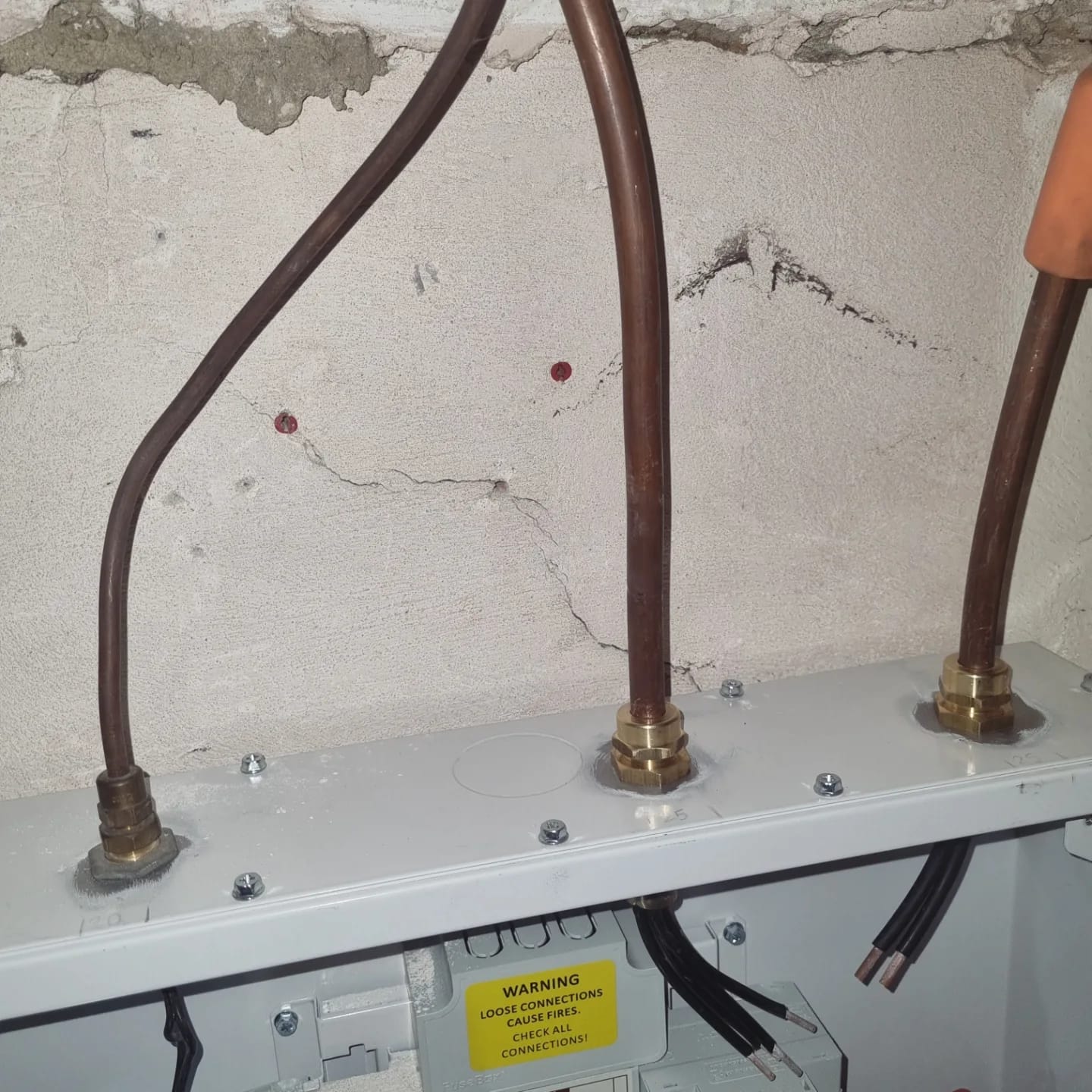
At Keswick Electrical Services Ltd, based in Bromley and proudly serving Kent and the South East, we work with a wide range of electrical systems—old, new, and everything in between. One type of cable that continues to stand the test of time is MICC cable, often known by its brand name Pyro.
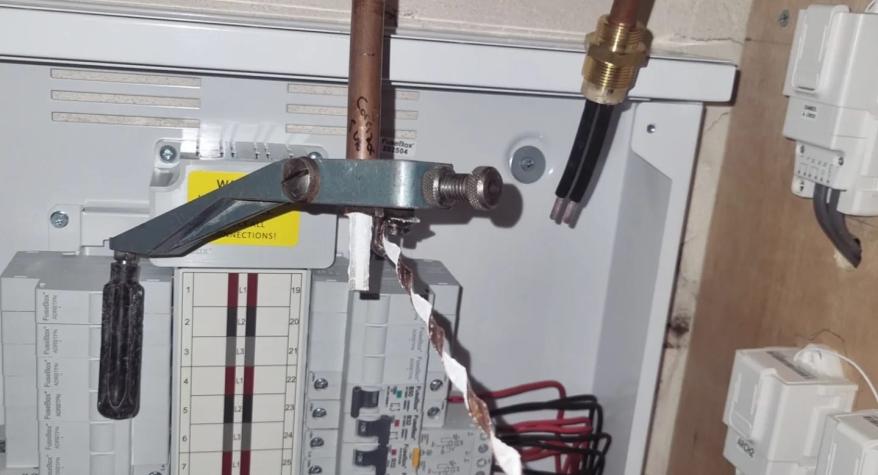
MICC / Pyro Cable: The Fire-Resistant Classic That Still Does the Job
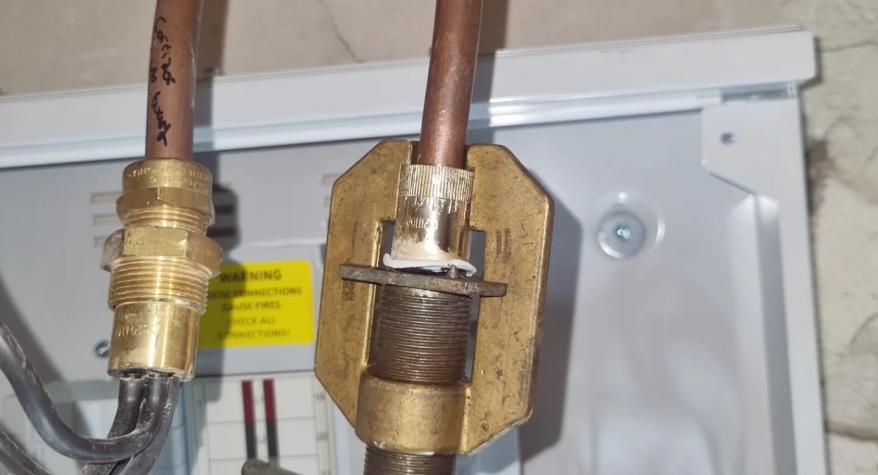
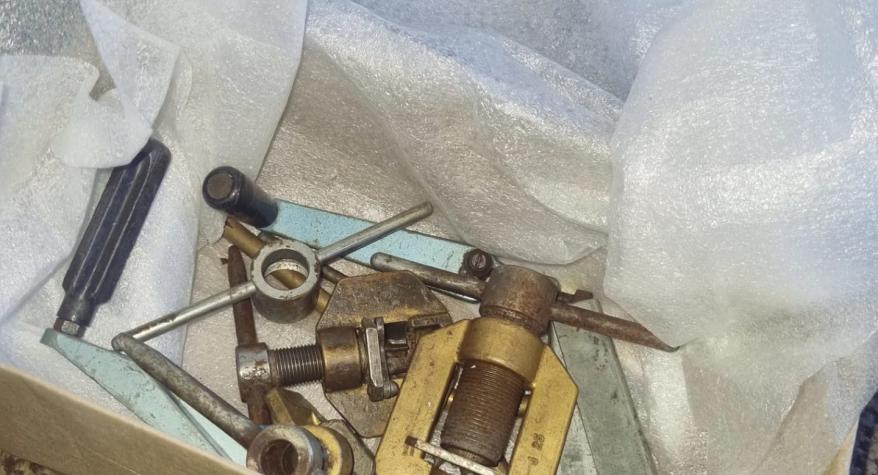
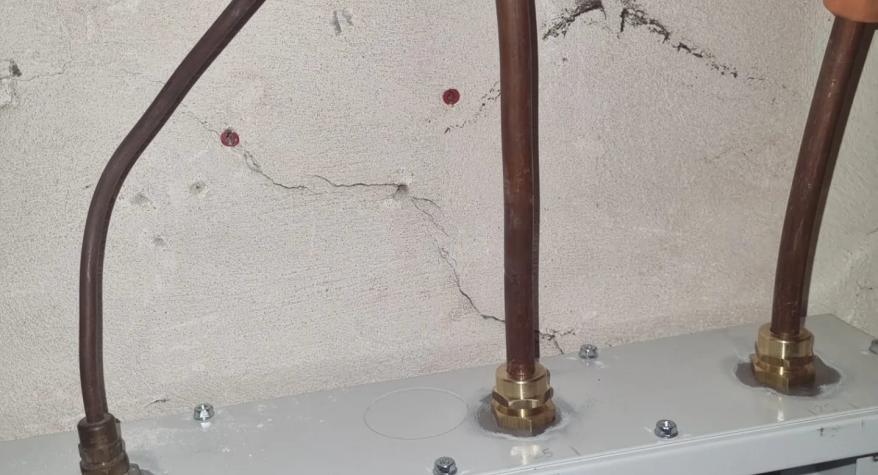
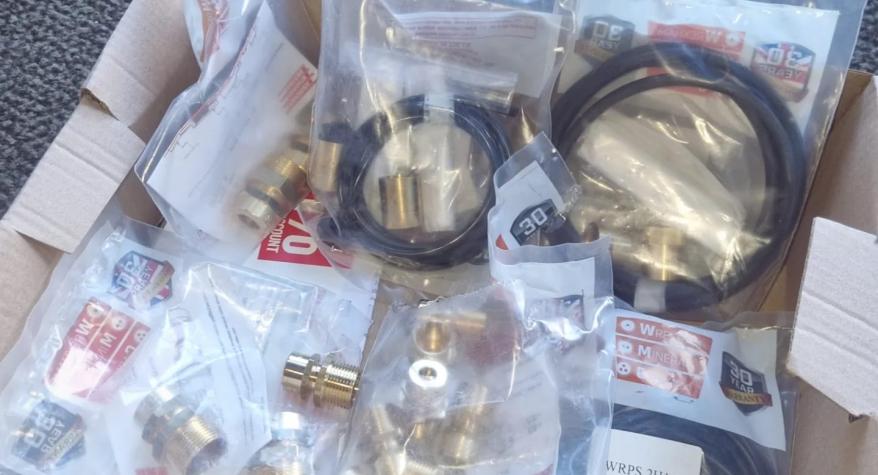
You might not see it everywhere, but when safety, reliability, and fire resistance really matter, MICC cable is still very much the gold standard.
What Is MICC (Pyro) Cable?
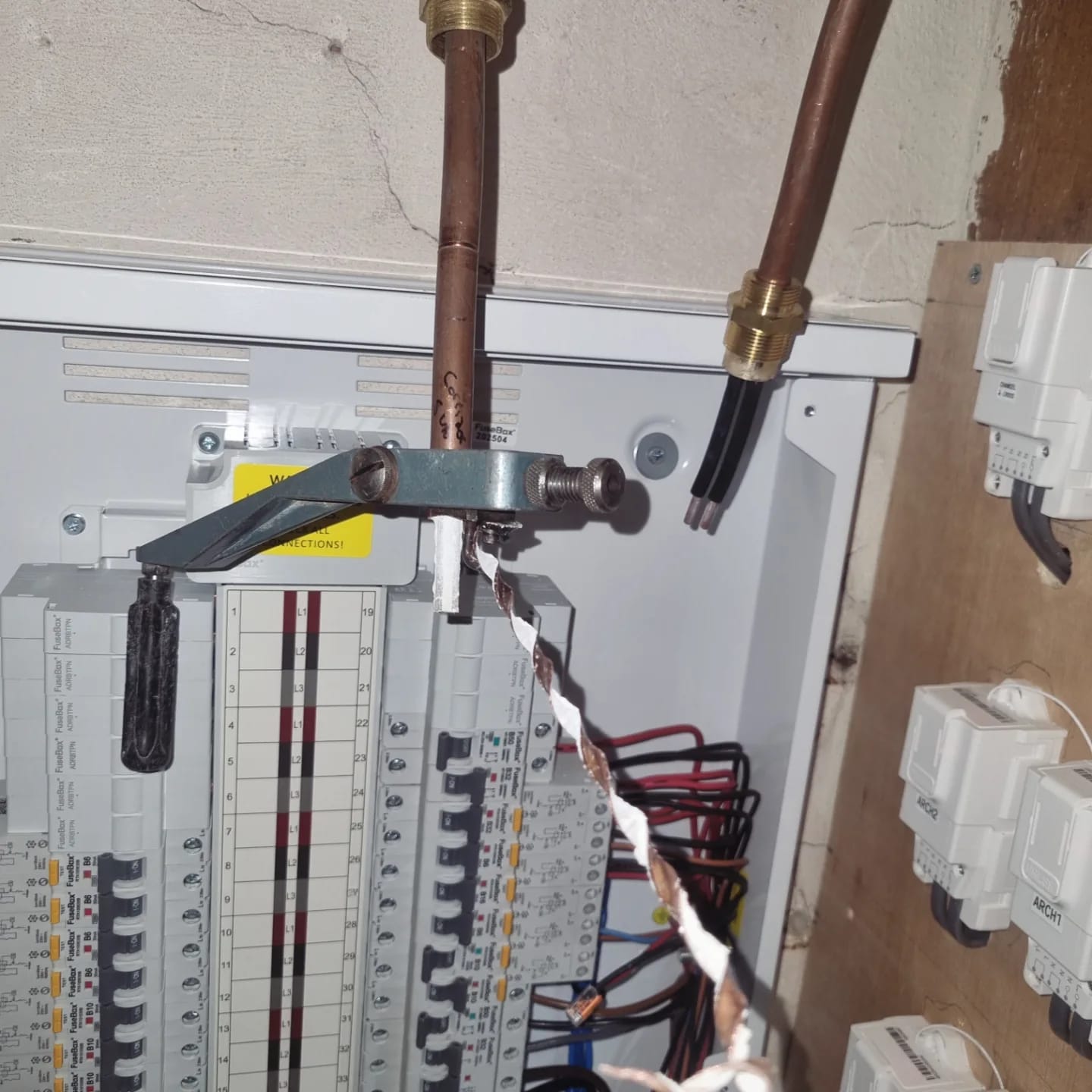
MICC stands for Mineral Insulated Copper Clad cable. In simple terms, it’s made up of:
- Solid copper conductors
- Highly compressed magnesium oxide insulation
- A seamless copper outer sheath
There’s no plastic, no rubber, and nothing that can easily burn. That’s why MICC cable is renowned for its exceptional fire resistance and long-term durability.
A Brief History of MICC Cable
MICC cable has been around for over 100 years, first developed in the early 20th century. Originally used in industrial and military applications, it quickly became popular in buildings where fire safety was critical.
For decades, Pyro cable was the go-to choice for hospitals, underground railways, public buildings, and high-risk environments—and many of those original installations are still in service today. That kind of lifespan is hard to beat.
Why Is MICC Cable Used?
Despite the rise of modern fire-rated cables, MICC is still widely used for one simple reason: it works when everything else fails.
Key benefits include:
- Outstanding fire resistance – continues to operate during a fire
- Zero smoke and toxic fumes – ideal for escape routes
- High mechanical strength – tough and damage-resistant
- Long lifespan – often lasts 50+ years when installed correctly
- Water and corrosion resistance – suitable for harsh environments
Because of these qualities, MICC cable is commonly used for:
- Fire alarm systems
- Emergency lighting
- Smoke control systems
- Critical power supplies
- Plant rooms and commercial installations
Has MICC Cable Changed Over Time?
The core design of MICC cable hasn’t changed much—and that’s a good thing. However, modern improvements include:
- Better quality copper sheathing
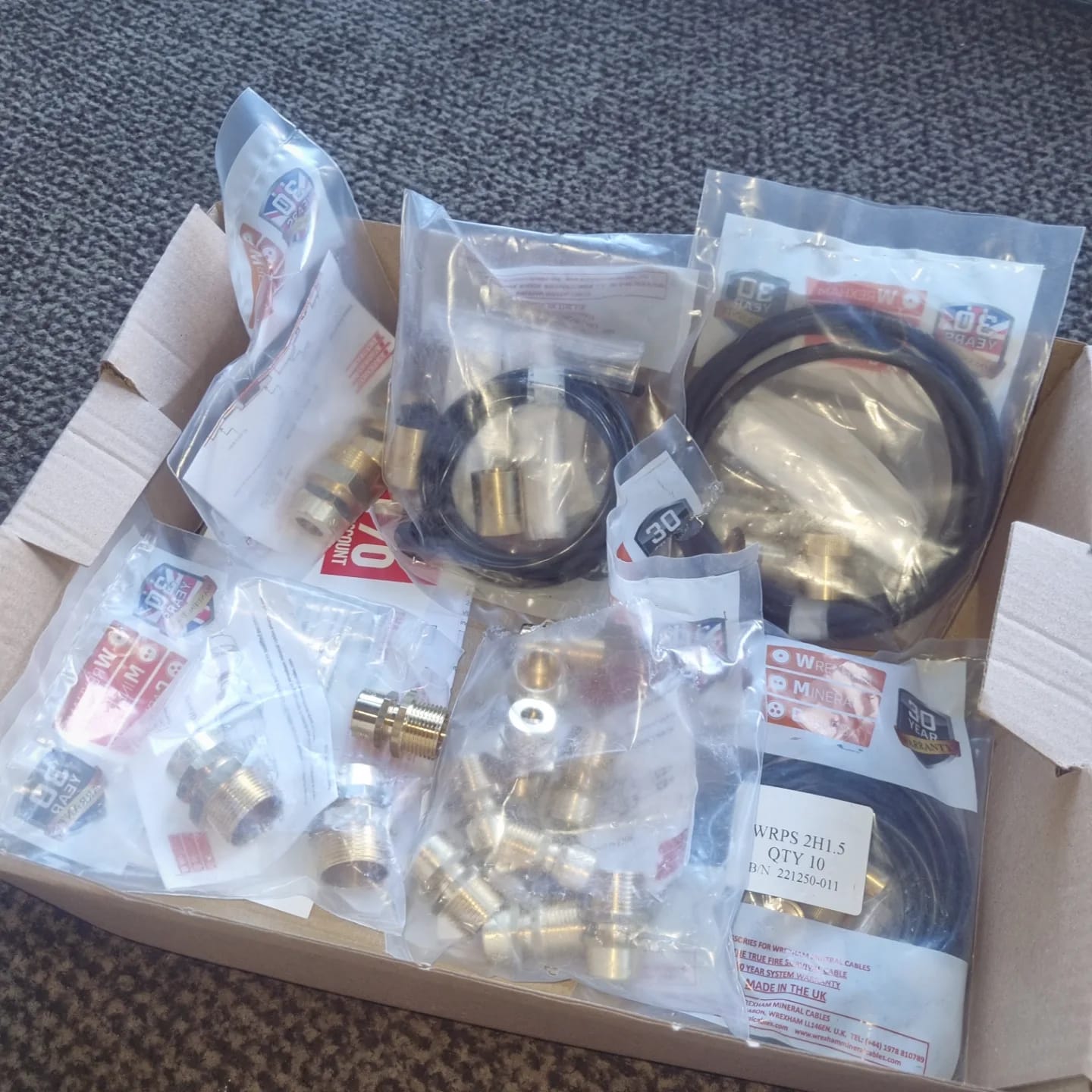
- Enhanced termination components
- Modern accessories that improve sealing and longevity
While newer fire-rated cables are often quicker to install, MICC remains unmatched where absolute reliability is required.
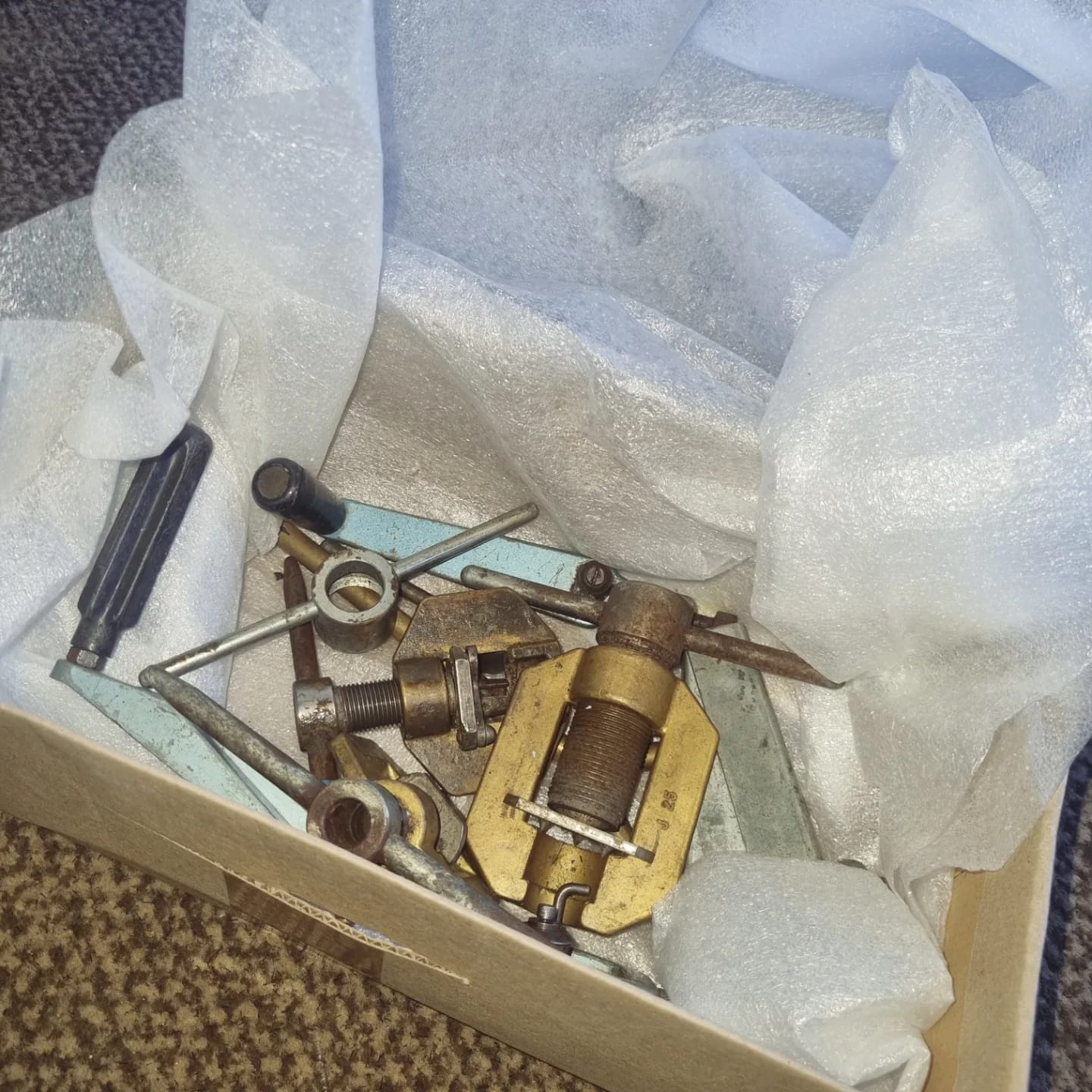
Tools Required to Terminate MICC Cable
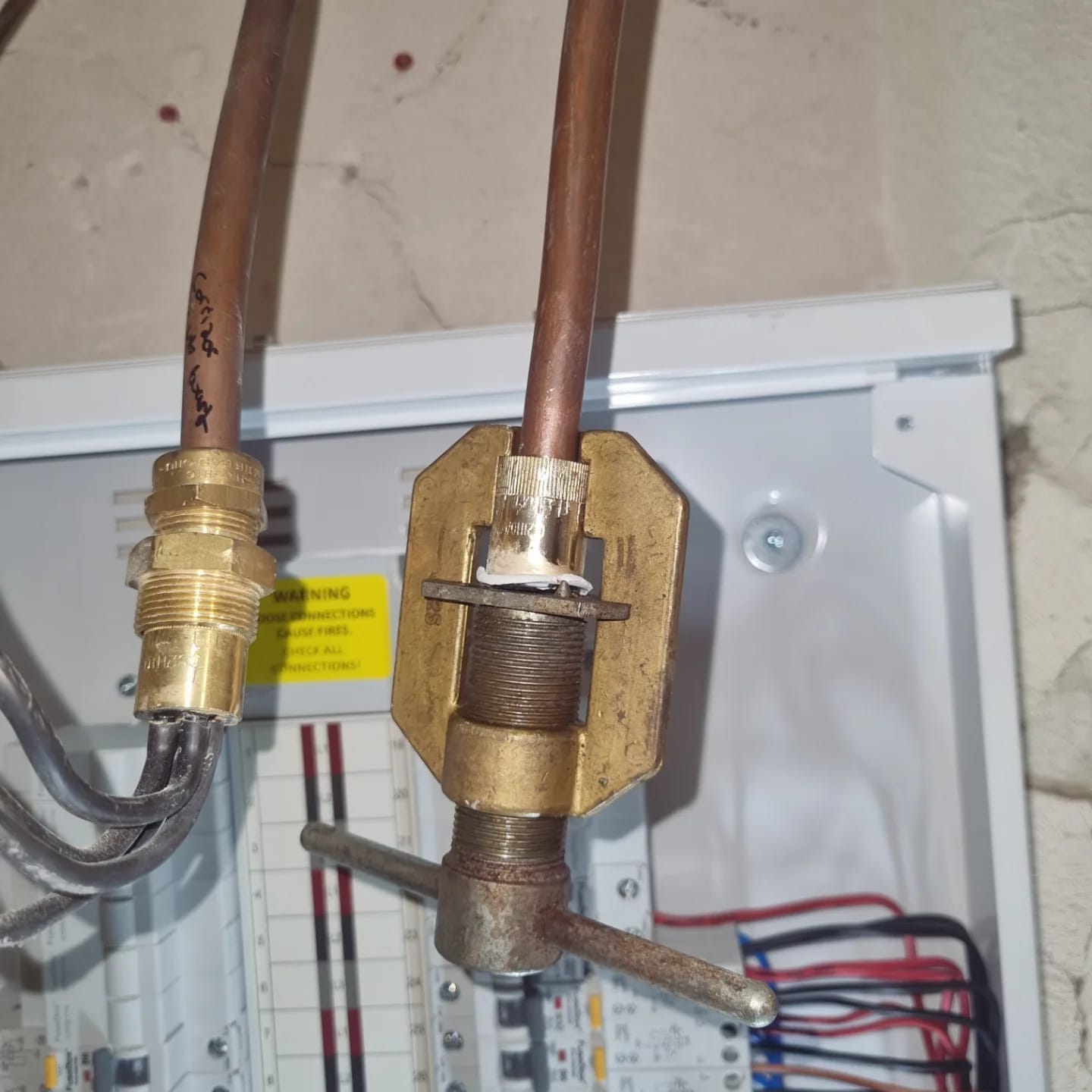
One reason MICC cable is seen as a specialist product is the skill and tooling required to terminate it properly. Correct termination is critical—done wrong, and the cable’s performance is compromised.
Specialist tools include:
- Cable cutters designed for copper sheaths
- Stripping tools to avoid damaging conductors
- Glands, pots, and seals specific to MICC
- Crimping tools for solid copper conductors
- Heat sources for drying and sealing terminations
It’s a precise process that demands experience, patience, and attention to detail—definitely not one for guesswork.
Why Choose Keswick Electrical Services Ltd?
At Keswick Electrical Services Ltd, we have the knowledge and hands-on experience required to work safely and effectively with MICC (Pyro) cable.
We can help with:
- New MICC installations
- Alterations and extensions to existing systems
- Repairs to damaged Pyro cable
- Correct termination and testing
- Fire alarm and emergency lighting upgrades
Whether you’re maintaining an older system or specifying MICC for a new project, we ensure every installation meets current standards while respecting the unique requirements of this specialist cable.
Serving Bromley, Kent & the South East
Based in Bromley, we proudly serve Kent and the wider South East, providing reliable electrical services with a friendly, professional approach. We believe in doing things properly—especially when safety is involved.
If you’d like advice on MICC cable or need a trusted electrician for a specialist installation, Keswick Electrical Services Ltd is here to help.
📞 Get in touch today to discuss your project or arrange a site visit.